

Micro-Retail in 2026: Where to Place Hot Food Vending Machines So People Actually Eat
What “Micro-Retail” Means in Hot Food Vending
In 2026, micro-retail in hot food vending refers to small-footprint, unattended food solutions placed directly inside real eating moments — locations where people already pause, wait, or dine, such as transit hubs, shopping centers, and student housing.
Unlike traditional vending strategies that prioritize floor plans or foot traffic alone, micro-retail focuses on dwell time, context, and intent. The goal is simple: place hot food exactly where people are already prepared to eat.
This shift explains why many vending operators across Europe and North America are reassessing not just what they sell, but where they deploy machines.
Where People Actually Eat: The New Hot Food Vending Locations
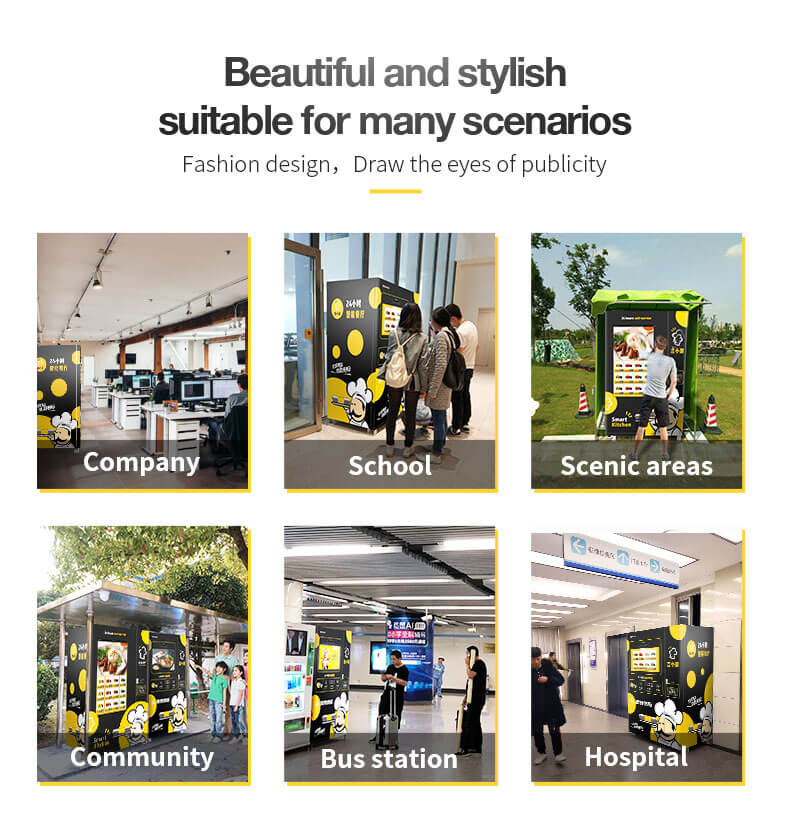
Transportation Hubs: Eating Between Destinations
Rail stations, metro interchanges, airports, and highway rest areas are no longer just transit points. For many commuters and travelers, they are where meals happen by default.
Hot food vending machines succeed here because they:
- Deliver predictable, fast access during peak hours
- Operate overnight when food courts are closed
- Require far less space than staffed outlets
In European rail systems and North American transit hubs, operators increasingly deploy hot food machines as gap-fillers, not competitors to restaurants.
Shopping Malls & Mixed-Use Complexes
While retail foot traffic has changed, dwell time remains high. Consumers may not browse for hours, but they still eat — often outside traditional food court hours.
Hot food vending machines in malls support:
- Late-night shoppers and staff
- Overflow during peak dining hours
- Secondary zones where restaurants are not viable
For property managers, micro-retail food machines provide incremental revenue without tenant risk.
Student Housing & Campus Residences
Universities across the US, UK, and EU face a common challenge: students eat at irregular hours, while cafeterias operate on fixed schedules.
Hot food vending machines placed in dormitories:
- Serve late-night and exam-period demand
- Reduce reliance on delivery platforms
- Offer controlled, portioned meals with clear labeling
This makes them particularly attractive to campus operators focused on cost control and food safety compliance.
What Operators Look for in Hot Food Vending Machines (2026 Buyer Mindset)
By 2026, Western buyers are no longer asking “Does hot food vending work?”
They are asking how reliably it scales.
Key evaluation criteria include:
- Heating consistency (no cold centers, no overcooking)
- Food safety assurance (sealed packaging compatibility, temperature control)
- Remote management (menu updates, fault alerts, sales data)
- Regulatory readiness (EU food contact standards, US safety expectations)
This shift favors manufacturers with experience in complex deployments, not just machine suppliers.
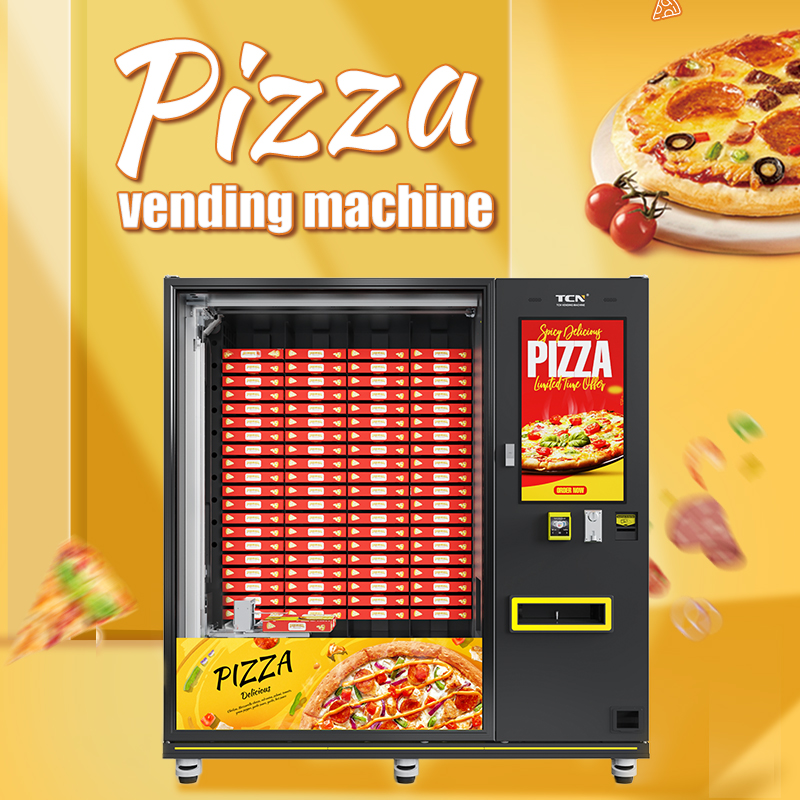
How TCN Hot Food Vending Solution Supports Micro-Retail Hot Food Vending at Scale
TCN hot food vending machines are designed around real deployment conditions, not showroom demonstrations.
Across Europe and North America, TCN hot food solutions support:
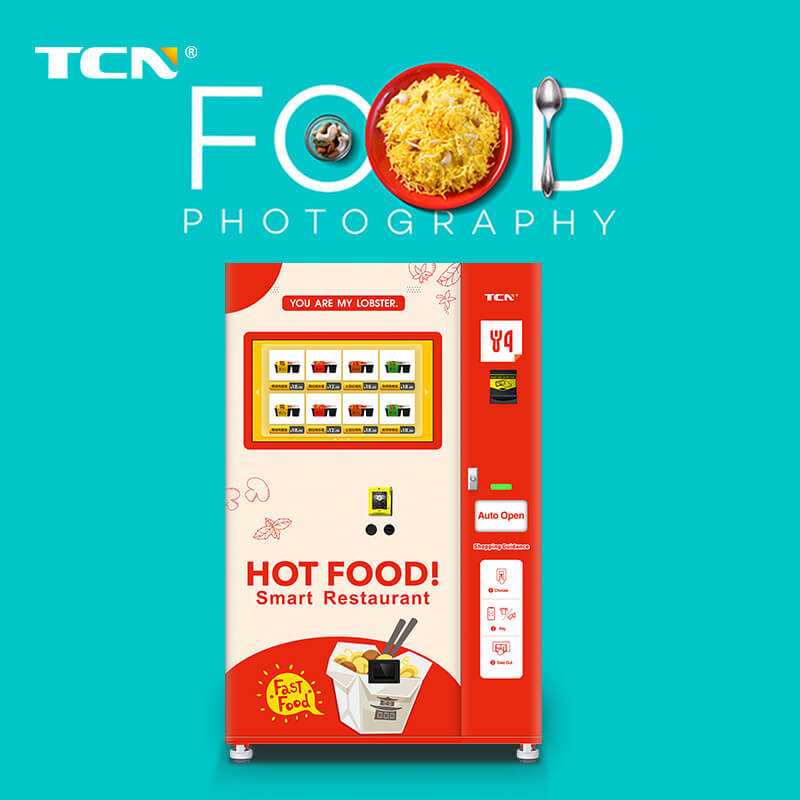
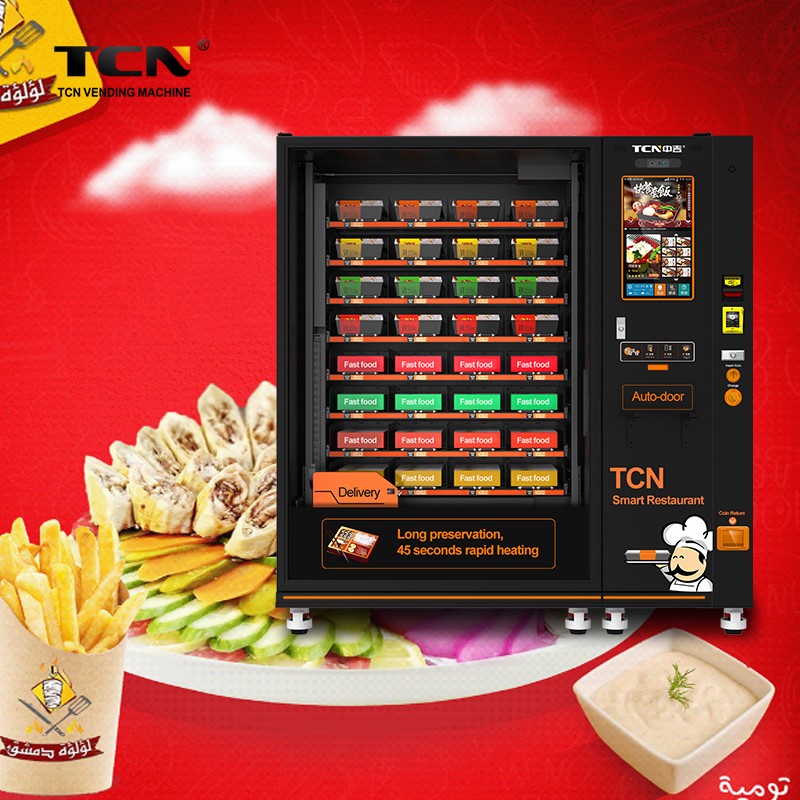
- Advanced microwave system, offering a satisfying and effortless dining solution any time of day.
- Enjoy peace of mind with fresh, safely preserved food thanks to cryogenic technology and ozone disinfection.
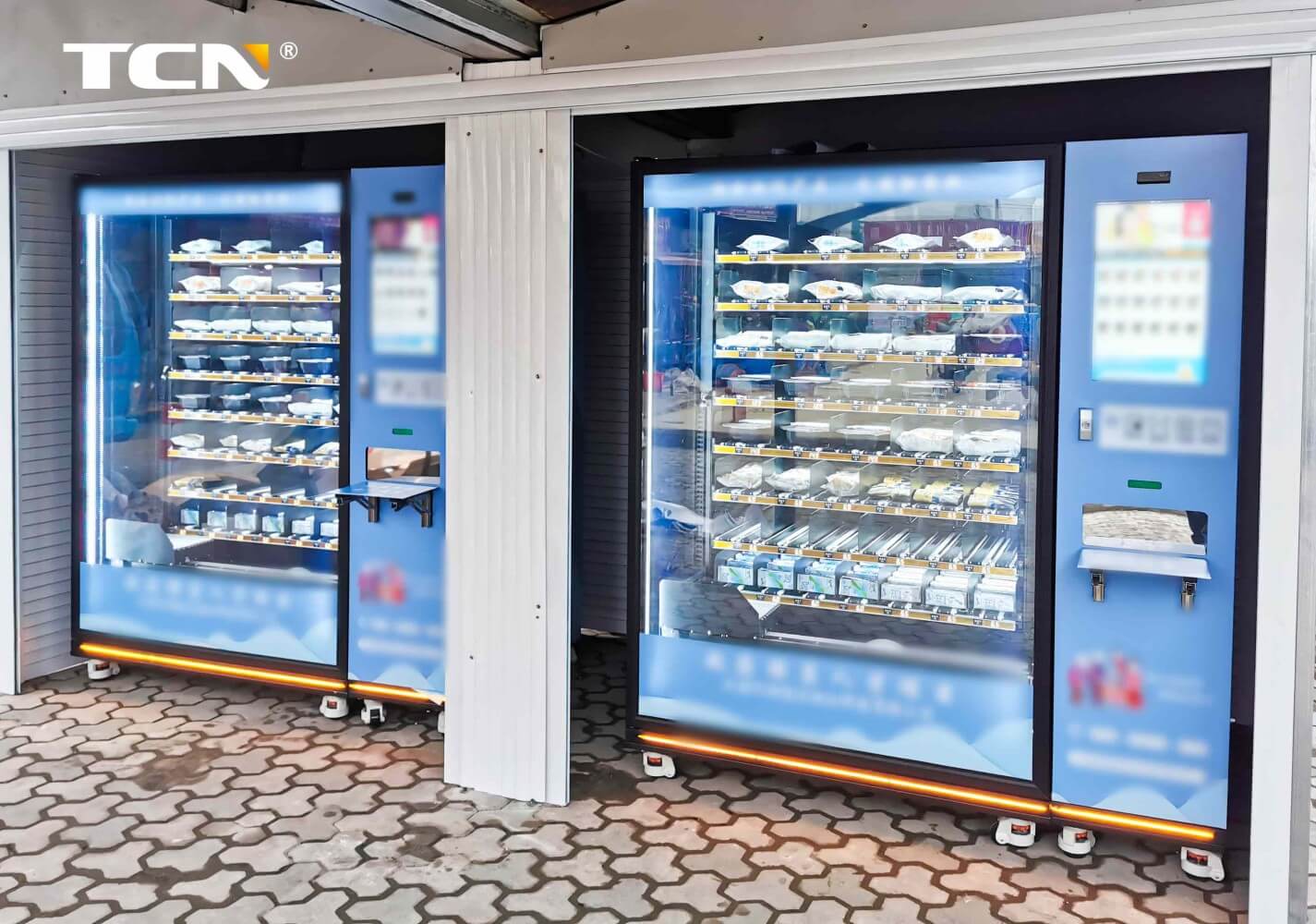
- Stable operation in transport hubs, campuses, and commercial buildings
Rather than focusing on novelty, TCN emphasizes:
- Long-term operational stability
- Compatibility with compliant food packaging
- Remote system integration for unattended operation
You can explore TCN hot food vending solutions here:
https://www.tcnhotfoodvend.com/HOTFOODVENDING
Why Micro-Retail Hot Food Vending Is a Long-Term Infrastructure Play
The most successful operators in 2026 are not chasing trends — they are placing machines where eating is unavoidable.
Hot food vending machines are becoming:
- Part of campus infrastructure
- A standard amenity in transport environments
- A low-risk food service option for property owners
Micro-retail works not because it replaces restaurants, but because it respects how people actually live and eat today.
Conclusion: The Right Food, in the Right Place, Without Friction
In 2026, the question is no longer whether hot food vending has a future —
but where it belongs.
For operators and institutions across Europe and North America, micro-retail hot food vending machines offer a practical, scalable way to meet modern eating habits without the overhead of traditional food service.