

Hot Food Vending Machines in 2026: Trends, Use Cases, and Consumer Behavior
Introduction: Why Hot Food Vending Matters in 2026
By 2026, hot food vending machines are no longer treated as experimental retail equipment. They are increasingly viewed as practical infrastructure for automated food service, especially in environments where traditional kitchens are costly, labor-intensive, or limited by operating hours.
Across campuses, hospitals, airports, factories, and public spaces, organizations face the same challenge: providing reliable access to hot meals while controlling labor costs, floor space, and operational complexity. At the same time, consumers have grown more comfortable purchasing freshly prepared food from machines — provided the experience feels safe, transparent, and consistent.
These forces have pushed hot food vending machines into a new stage of adoption driven by long-term operational needs rather than short-term novelty.
Market Outlook: Long-Term Growth Driven by Structural Change
Independent market research indicates that the global hot food vending machine market exceeded USD 3 billion in 2023 and is expected to grow steadily through 2030 at a compound annual growth rate of approximately 8–9%. This growth aligns with the broader expansion of automated retail, as organizations increasingly invest in unmanned and semi-automated food service solutions.
By 2026, growth is no longer concentrated in early adopters. Instead, demand is driven by mainstream operational use cases: 24/7 dining access, reduced staffing dependency, and predictable service delivery in high-traffic or time-sensitive locations.
For organizations evaluating food service strategies, hot food vending is now understood as a scalable, lower-risk complement to traditional dining rather than a replacement experiment.
Consumer Behavior in 2026: Why Acceptance Has Accelerated
Several shifts in consumer psychology explain why hot food vending machines have gained broader acceptance.
Convenience With Clear Expectations
Consumers increasingly expect hot meals to be available beyond standard dining hours. In locations such as hospitals, airports, and university campuses, access to pizza or ready hot meals late at night or between peak periods has become a baseline expectation.
Familiarity With Automated Retail
Years of exposure to self-checkout, smart lockers, and cashless retail have reduced hesitation toward machine-prepared food. When vending systems clearly communicate preparation steps and maintain consistent output, trust increases significantly.
Price Predictability
As food prices fluctuate, consumers value consistency. Automated hot food vending offers standardized portions and stable pricing, which appeals to cost-conscious users without requiring promotional discounts.
These behavioral changes support continued adoption of automated hot food solutions in everyday environments.
Where Hot Food Vending Machines Are Most Effective
Hot food vending machines perform best in locations where demand exists outside traditional food service hours or where staffing is difficult to sustain.
Campuses and Educational Facilities
Universities and colleges use hot food vending machines to supplement cafeterias, particularly in dormitories, libraries, and late-night study areas. Machines provide reliable access without extending staff shifts.
Hospitals and Healthcare Environments
Healthcare facilities rely on continuous operation. Hot food vending supports night-shift staff, visitors, and emergency operations while maintaining hygiene standards and minimizing space usage.
Airports and Transportation Hubs
In transit environments, speed and consistency matter. Automated pizza and hot food vending machines deliver fast service without queue buildup, especially during early-morning or late-night hours.
Factories and Industrial Sites
Shift-based operations benefit from predictable food availability. Hot food vending reduces downtime associated with off-site meal breaks and supports overnight production schedules.
Vending Operators and New Entrants
For operators, hot food vending offers a path to higher-value transactions with lower labor input, making it suitable for scalable, multi-location deployment.
Operational Priorities in 2026
When evaluating hot food vending machines, organizations tend to focus on operational fundamentals rather than marketing features:
- Reliability under continuous operation
- Flexibility to support different menus
- Ease of maintenance and service
- Integration with modern payment systems
- Clear return on investment timelines
Machines that cannot perform consistently in real-world conditions quickly lose relevance, regardless of concept appeal.
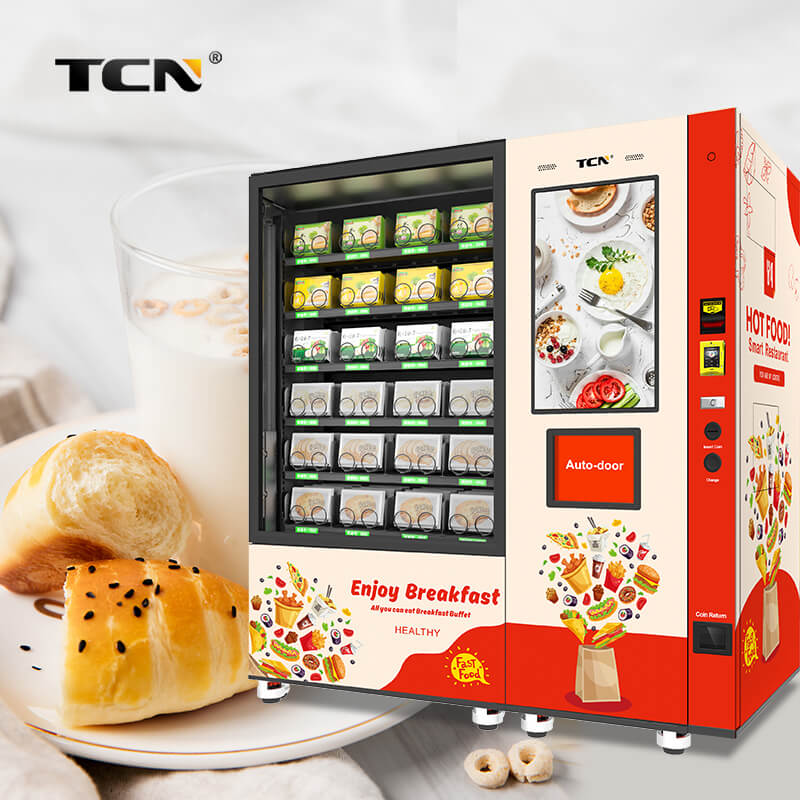
TCN Hot Food Vending Machines: Built for Operational Reality
TCN hot food vending machine portfolio is designed around modularity, reliability, and long-term operational efficiency — qualities required for sustained deployment in demanding environments.
Modular Architecture
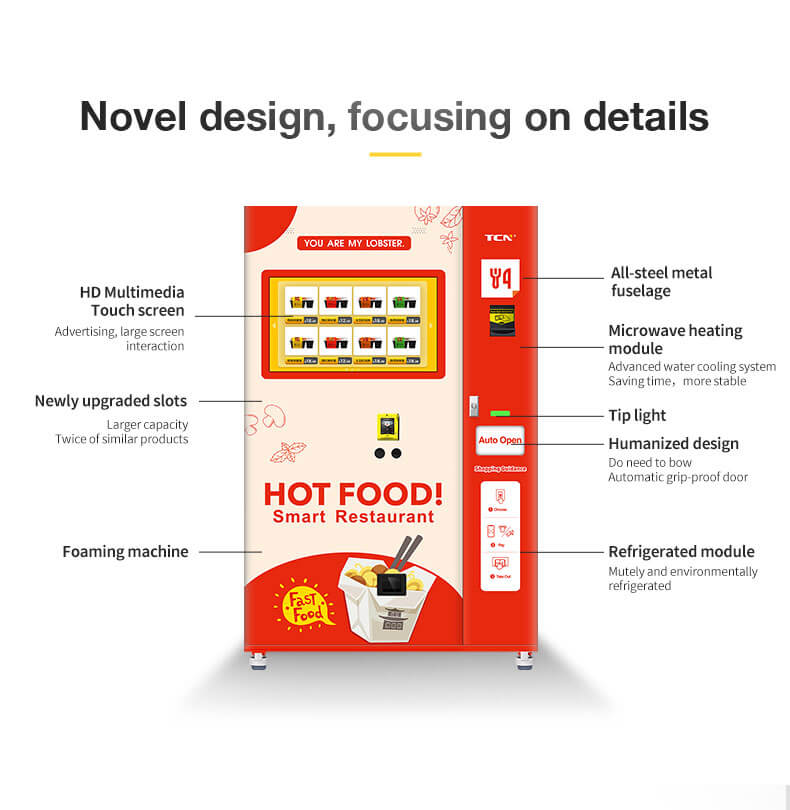
TCN machines support configurable heating methods, storage formats, and capacity options. This allows organizations to adapt menus and layouts to different locations without replacing entire systems.
Engineered Reliability
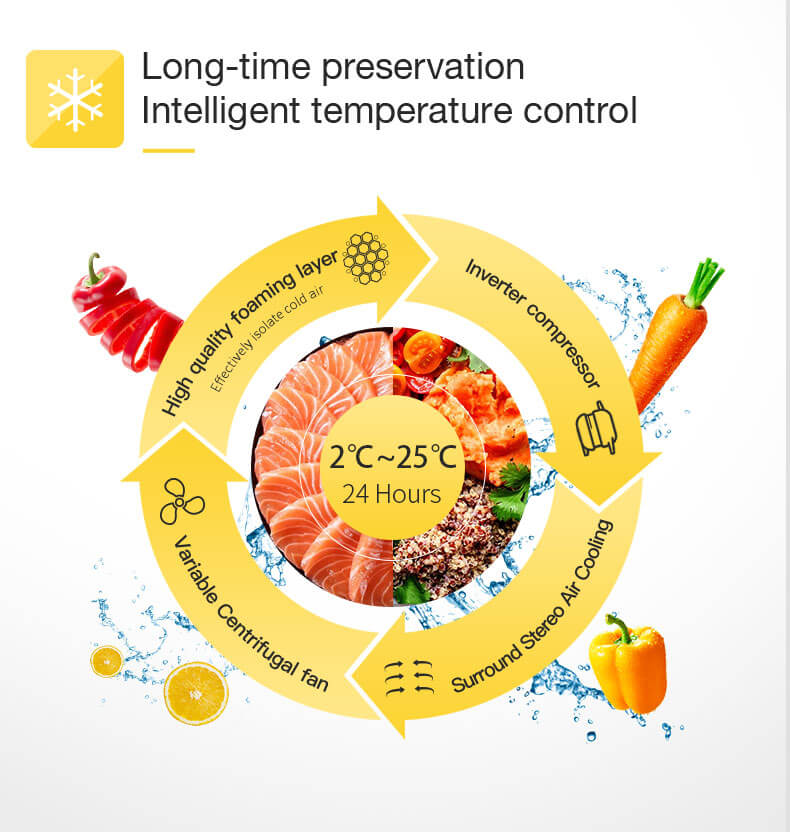
Hot food vending depends on stable temperature control and mechanical consistency. TCN machines are built for extended operating cycles, reducing downtime and maintenance frequency.
Faster Payback Potential
By minimizing labor requirements and maintaining high uptime, TCN hot food vending machines support predictable revenue generation, particularly in high-traffic locations.
Smart System Integration
- Cashless and contactless payments
- Remote monitoring and diagnostics
- Sales and inventory data access
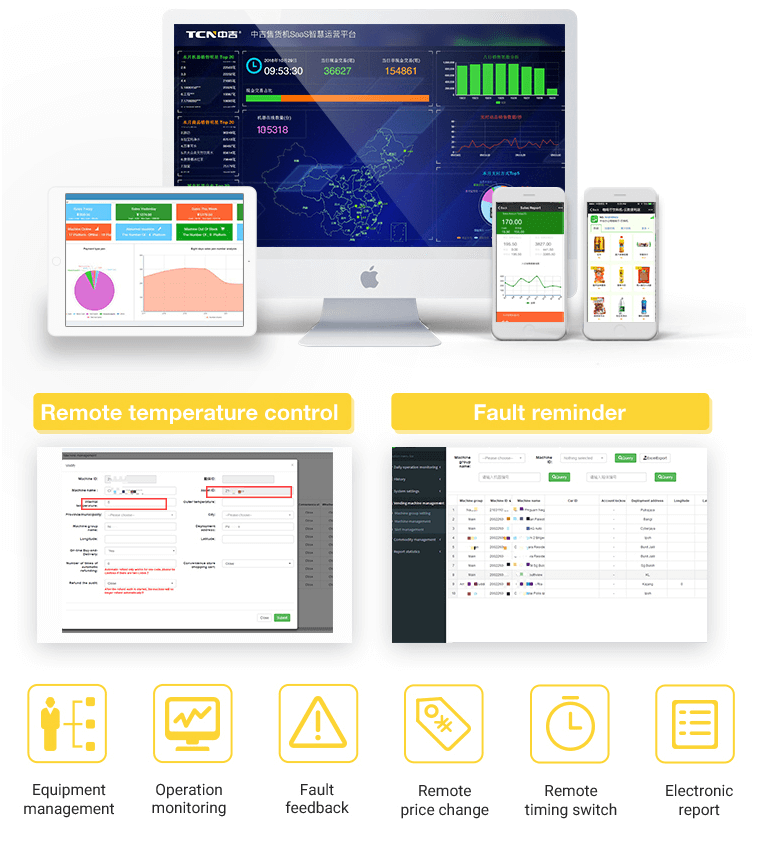
These capabilities allow operators to manage deployments efficiently without increasing operational overhead.
TCN Hot Food Vending Machine Product Range
TCN offers a comprehensive range of hot food vending solutions to meet different operational needs:M
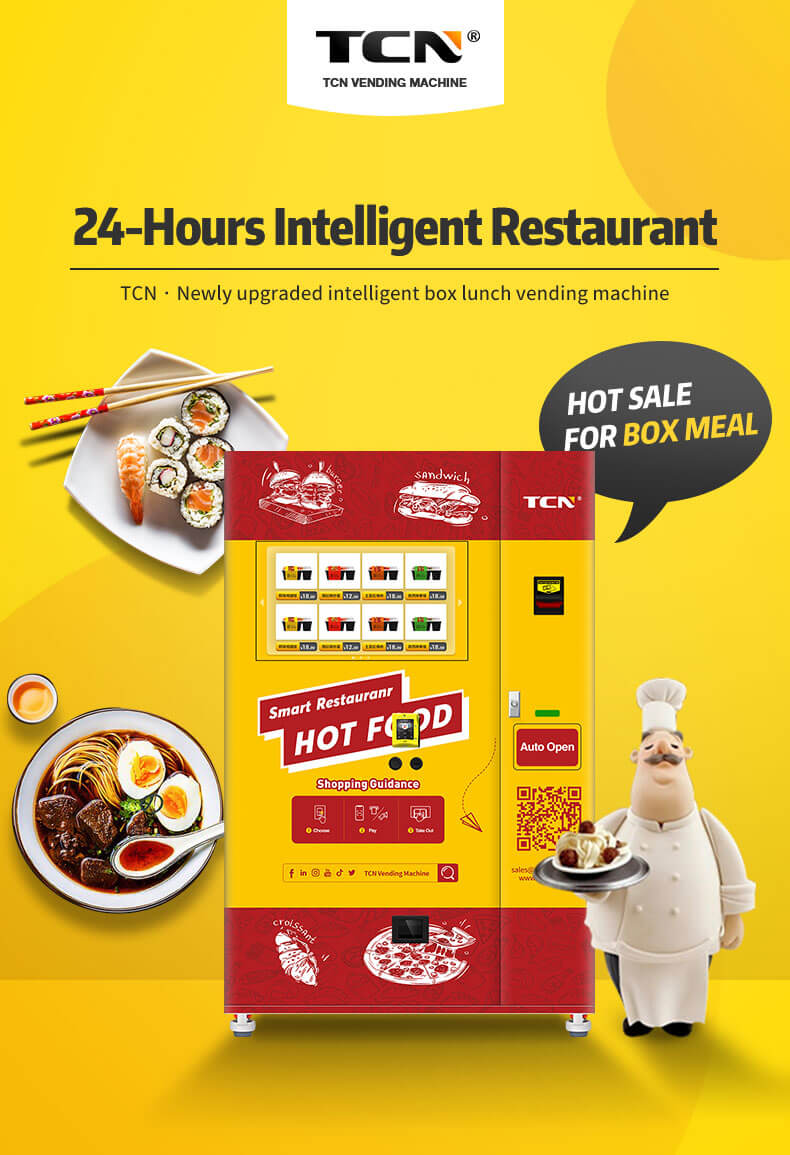
- 24-hour Smart Restaurant Hot Food Vending Machine- Designed for full automation, this system serves restaurant-quality meals on demand—day or night, with no staff required.
- 55°C Hot Food Vending Machine–delivers meals in under 15s and heats frozen items in less than 75s
- Multi-Category Hot Food Vending Machine – Suitable for rice meals, noodles, burgers, and boxed hot foods
- Pizza Vending Machine – Automated pizza preparation, baking, and dispensing
Full product details are available here: https://www.tcnhotfoodvend.com/HOTFOODVENDING
Why Hot Food Vending Is a Strategic Choice Moving Into 2026
Hot food vending machines are increasingly valued not just for food delivery, but for what they enable operationally:
- Greater service continuity
- Reduced staffing dependency
- Predictable cost structures
- Scalable deployment across locations
As automated food service becomes a standard expectation rather than a novelty, organizations that adopt reliable hot food vending systems are better positioned to meet demand without expanding fixed overhead.
Frequently Asked Questions About Hot Food Vending Machines
- How profitable are hot food vending machines?
Profitability depends on location, menu, and traffic volume. However, hot food vending machines benefit from reduced labor costs and high uptime, which can result in faster payback periods compared to staffed food service models.
- Where are hot food vending machines most commonly installed?
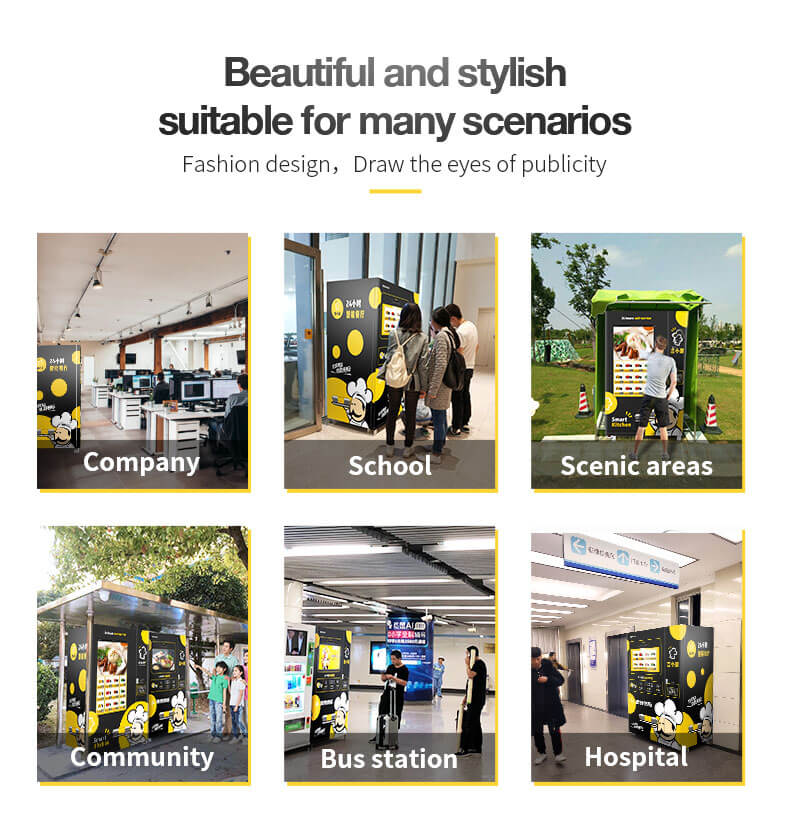
They are widely used in universities, healthcare facilities, airports, factories, and mixed-use commercial buildings — especially where traditional food service hours are limited.
- How should organizations choose a hot food vending machine?
Key considerations include reliability, menu flexibility, maintenance requirements, payment integration, and long-term operating costs. Modular designs allow systems to adapt as demand evolves.